
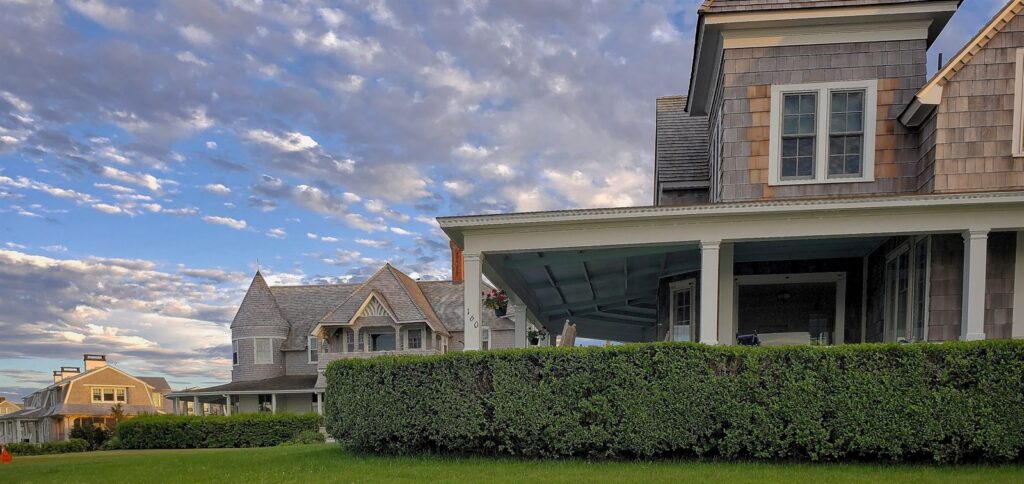
A roof three blocks from the beach and the same roof fifteen miles inland are not doing the same job, and they do not age the same way.
That is not a sales line. It comes down to two things coastal homes deal with that inland homes largely do not: sustained wind, and salt.
Wind is the main event, and it is not hurricanes
Most coastal roofing advice online is written for Florida and the Gulf Coast, where the design problem is an occasional extreme hurricane. That leads to a standard recommendation to install metal and be done with it.
The Jersey Shore is a different environment. What we get here are nor’easters: wind and rain driven from the same direction for hours at a stretch, sometimes a full day, several times between October and April. Those storms regularly produce gusts in the 50 to 70 mile per hour range along this stretch of coast.
Those speeds will not tear a well-installed roof off. That is not the failure mode here. The failure mode is duration and direction. Hour after hour of wind pushing rain sideways and upward against the same face of a roof will find any detail that was built only for water falling straight down.
Which is why, near the water, the question is less about which material you pick and more about how carefully the roof was detailed at its edges.
What fails first on a shore home
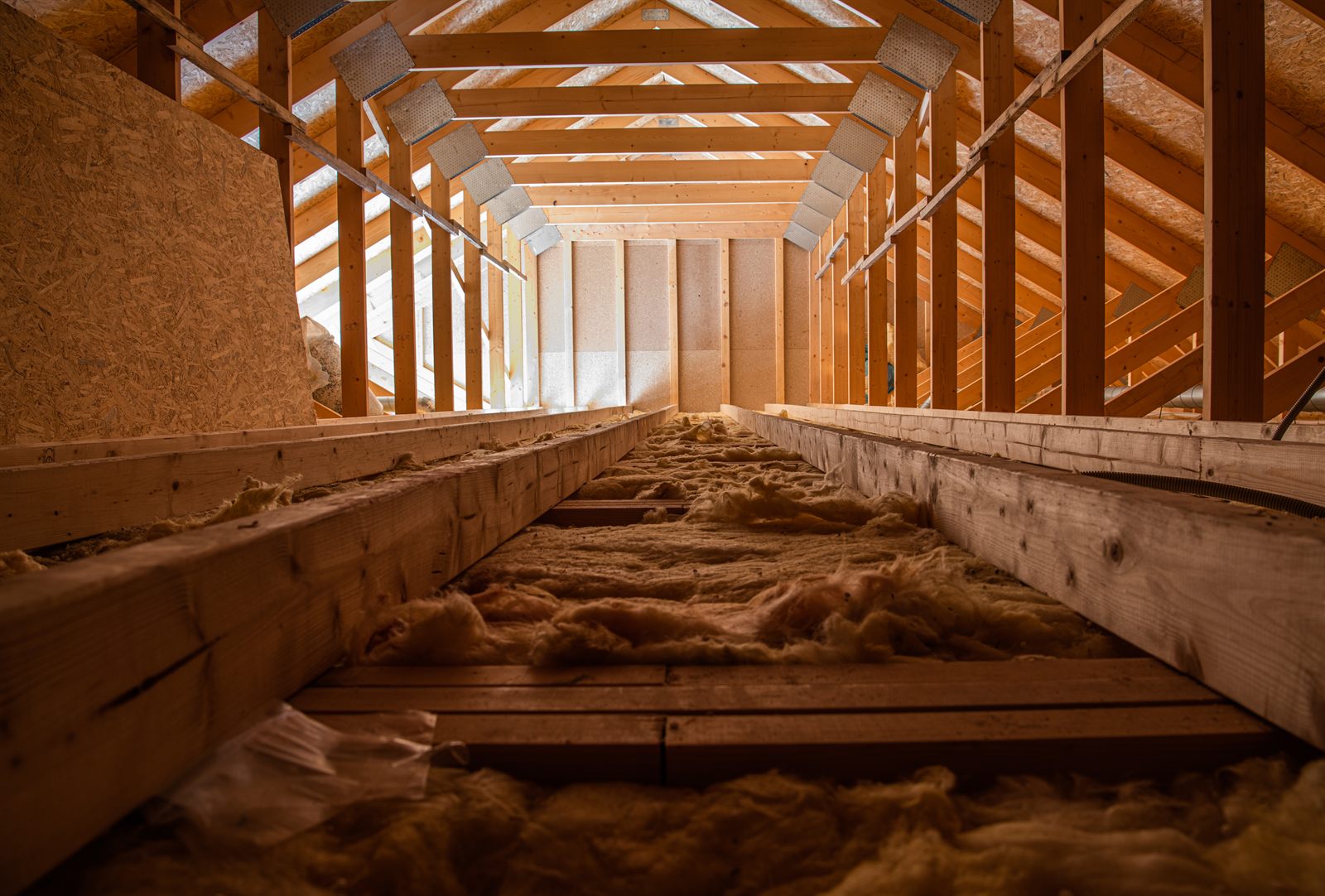
Problems cluster in the same handful of places: the rake and eave edges, where the starter course and drip edge take the highest uplift pressure on the roof and where details are most often rushed; the ridge and hips, exposed on all sides, where ridge cap is often first to go; flashing on the windward side, which wind-driven rain gets behind even when it sheds vertical rain perfectly well; the fasteners and metal components, where salt does its work; and vents projecting above the roof plane on the weather side.
None of those is the open field of shingles in the middle of the slope. Shore roofs fail at their edges and their interruptions, which is exactly why installation quality matters more here than the brand on the bundle.
What salt actually does
Salt air is real, and it is not evenly distributed. A house on the beachfront gets far more exposure than one two miles inland, and prevailing wind matters.
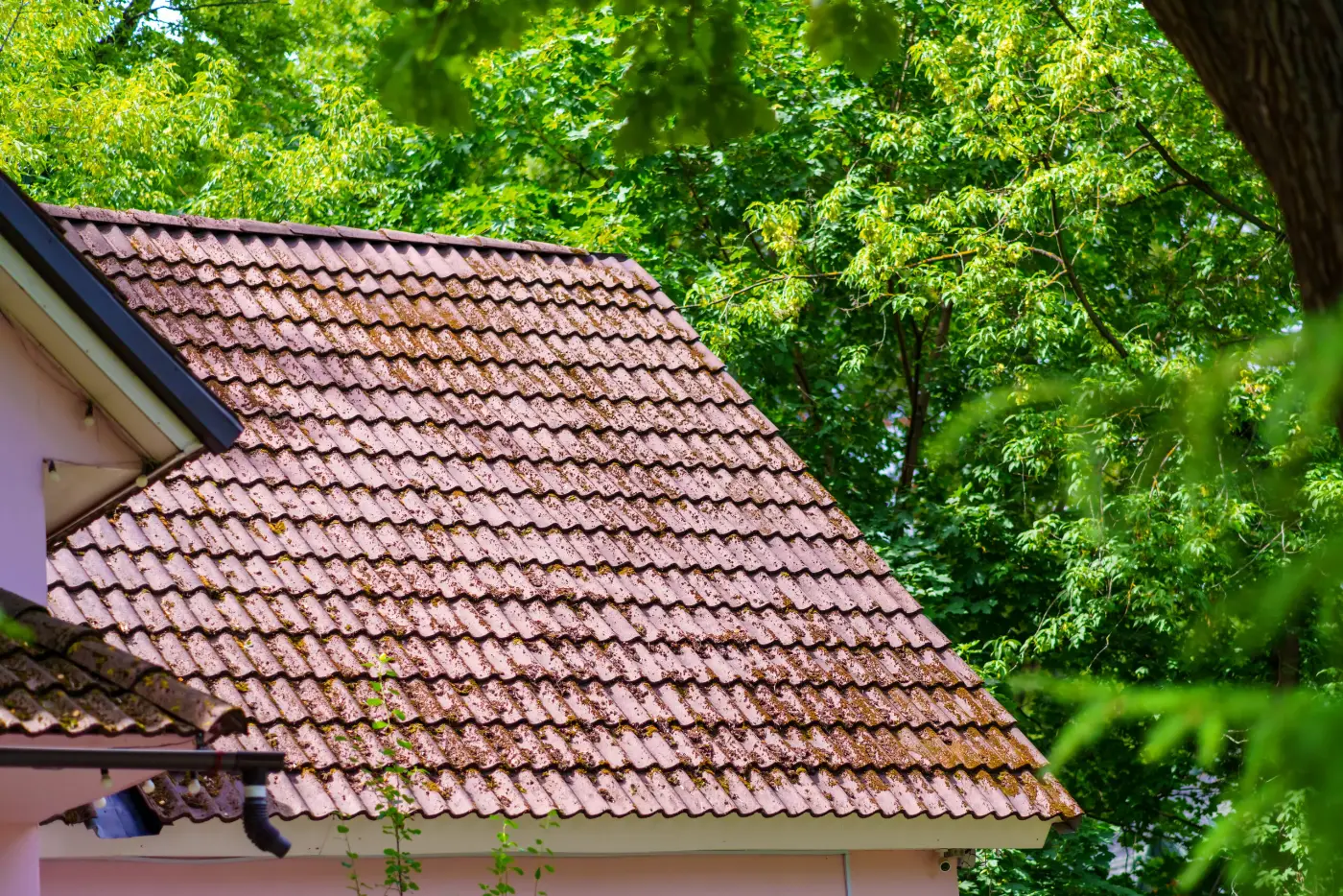
On shingles, airborne salt settles and works into the granule surface. Over time it contributes to breaking down that granule layer, which is what shields the asphalt underneath from UV. Once granule coverage thins, the shingle ages faster, gets less flexible, and starts to crack and curl earlier than it otherwise would. Coastal exposure can contribute to faster wear on roofing components than the same materials may experience farther inland. How much less depends on exposure, and anyone quoting you a precise number of years for your specific house is guessing.
On metal, and this is the bigger issue, salt accelerates corrosion of every metal component up there: nails, flashing, drip edge, valley metal, vent collars, gutter hardware. Fasteners that would last decades inland can degrade meaningfully faster in salt air.
That matters more than it sounds. A roof is held together by its fasteners. Corroded nails lose holding power, and shingles that are no longer firmly fastened are exactly the ones that lift in a nor’easter. It is a slow failure that only reveals itself during a storm.
What a shore roof should have
Corrosion-resistant fasteners. Stainless steel and hot-dipped galvanized hold up in coastal exposure. Electro-galvanized nails, which are perfectly fine inland, are not the right choice near the water. This is a small line item on a roof and one of the highest-value decisions on the whole job.
Corrosion-resistant flashing and edge metal, selected for the environment rather than for whatever was on the truck. Different metals behave differently in salt air, and dissimilar metals in contact can accelerate corrosion in ways that are entirely avoidable with the right selection.
A shingle with an appropriate wind rating. Asphalt shingles are tested and classified for wind resistance, and the classes are useful for comparison, with one important caveat below.
Proper perimeter detailing. Starter strip at the eaves and the rakes, the correct nailing pattern, and proper drip edge. Manufacturers publish enhanced high-wind installation instructions, and near the water they are worth following.
The thing about wind ratings
A shingle’s advertised wind rating describes how that shingle performed in a test, installed according to the manufacturer’s instructions.
Nail it too high, nail it too low, use four nails where six are specified, or miss the nailing zone, and the rating does not transfer to your roof. It stops being a property of the product and becomes a property of the installation.
This is the single most useful thing to understand about roofing near the ocean. The number on the bundle is a ceiling, not a guarantee. Two roofs with the identical shingle can perform completely differently in the same storm depending on who put them on.
Materials, honestly
Architectural asphalt shingles remain the sensible default for most shore homes. They perform well when properly specified and installed, they are straightforward to repair, and matching for a future repair is realistic. Expect somewhat shorter service life than the same roof inland.
Metal genuinely does resist salt corrosion and wind well, particularly aluminum, which does not rust. Standing seam conceals its fasteners, which removes the most vulnerable component from exposure. It costs considerably more up front and it is a specific look. It is a strong choice for the right house rather than the automatic answer national articles suggest.
Low-slope sections are common on shore homes with additions and porches, and they need their own treatment entirely. Ponding, seams, and wall terminations are the issues there, not shingles.
Maintenance that actually matters here
Look at the roof after significant nor’easters, particularly if you found debris in the yard. Pay attention to the metal, because flashing, drip edge, vent collars, and gutter hardware show salt corrosion well before the shingles show wear. Keep gutters clear, since standing salt water against fascia and edge metal accelerates everything above it. And expect the windward face to age faster than the sheltered side of the same house.
If you are having a shore home inspected before buying it, the roof edge details and the condition of the metal will tell you more about how that roof will perform than the shingles will.
Four questions worth asking
If you are getting quotes on a house near the water, these will tell you quickly whether a contractor understands coastal work:
- What fasteners are you using, and why? If the answer is not specific about corrosion resistance, they are quoting an inland roof.
- What is the wind rating of the shingle, and are you installing to the manufacturer’s high-wind instructions? The second half matters more than the first.
- How are you detailing the rakes and eaves?
- What is happening to the existing flashing and edge metal? Reusing corroded metal under a new roof is a false economy.
FB Roofing & Siding works on homes throughout Monmouth and Ocean County, from Rumson down through Point Pleasant Beach, Manasquan, and Sea Girt, and has been roofing here since 1972. Free written estimates: (732) 364-1040.