
Attic ventilation is the least visible part of a roof and one of the most common reasons roofs wear out before they should.
Nobody goes looking for it. There is no obvious moment when it fails. It just quietly shortens the life of everything above it, and the homeowner ends up replacing a roof several years earlier than they expected without ever knowing why.
Here is what it does, and what it looks like when it is not working.
What ventilation is for
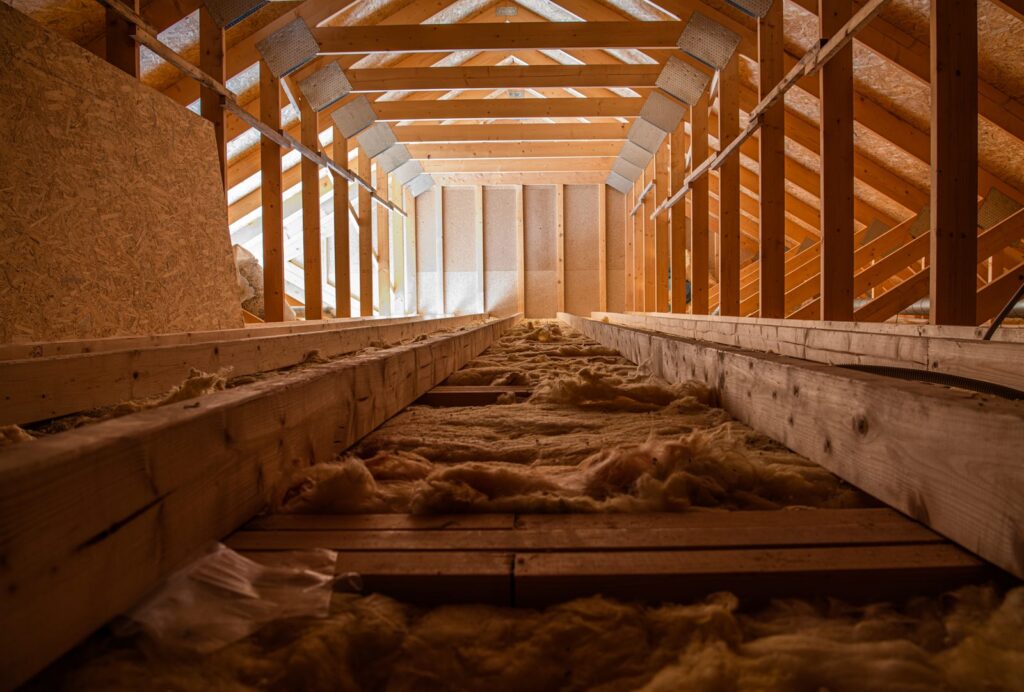
An attic needs air moving through it, continuously, year round. The system is simple in principle: cool outside air enters low, usually through vents in the soffits under the eaves, and warm air exits high, at or near the ridge. The movement is driven by the fact that warm air rises.
That airflow does two different jobs depending on the season.
In summer, it carries heat out. An unventilated attic under a dark roof on a hot day gets brutally hot, well above the outside temperature. That heat radiates down into the living space, makes the second floor hard to cool, and bakes the underside of the roof deck and the shingles sitting on it.
In winter, it carries moisture out. Every household generates a surprising amount of water vapor through cooking, showers, and laundry. Some of it makes its way into the attic. If it cannot escape, it condenses on the cold underside of the roof deck.
The word that matters is balanced
Most ventilation problems are not a shortage of vents. They are an imbalance.
A roof needs intake and exhaust in a reasonably matched amount. Exhaust at the ridge with no working intake at the soffits has nothing to draw from, so very little air actually moves. It looks ventilated from the street and it is not.
The most common version of this is genuinely frustrating, because it usually happens with good intentions. Someone adds insulation to the attic, pushes it out to the very edges of the attic floor to get full coverage, and in doing so packs it into the soffits and blocks the intake vents completely. The insulation was an improvement. It also disabled the thing keeping the roof deck cool and dry.
The other common version is two different types of exhaust vent on the same roof plane, such as a ridge vent plus older box vents. Instead of pulling air up from the soffits, the system short-circuits and pulls air from the nearest other vent, and the far end of the attic gets nothing.
Signs you can actually check
Most of these do not require going anywhere dangerous.
From inside the house:
- The upstairs is much harder to cool than the rest of the house in summer, and stays warm into the evening
- Unusually high cooling bills without another explanation
- A musty smell in an upstairs closet or room, particularly after damp weather
In the attic, in daylight, staying on the joists and never stepping between them:
- Frost or ice on the nail points poking through the roof deck in winter. This is one of the clearest signs there is. It means warm, moist air is reaching a cold surface and condensing
- Water staining or dark patches on the underside of the roof deck, especially with no leak above them
- Damp, matted, or discolored insulation
- Mold or mildew on the framing or the underside of the sheathing
- Insulation pushed into the eaves, blocking the soffit vents. Look along the outer edges where the roof meets the attic floor
- Rusted nail heads or fasteners
- Attic air that feels heavy and hot on a summer day, or noticeably damp in winter
From outside:
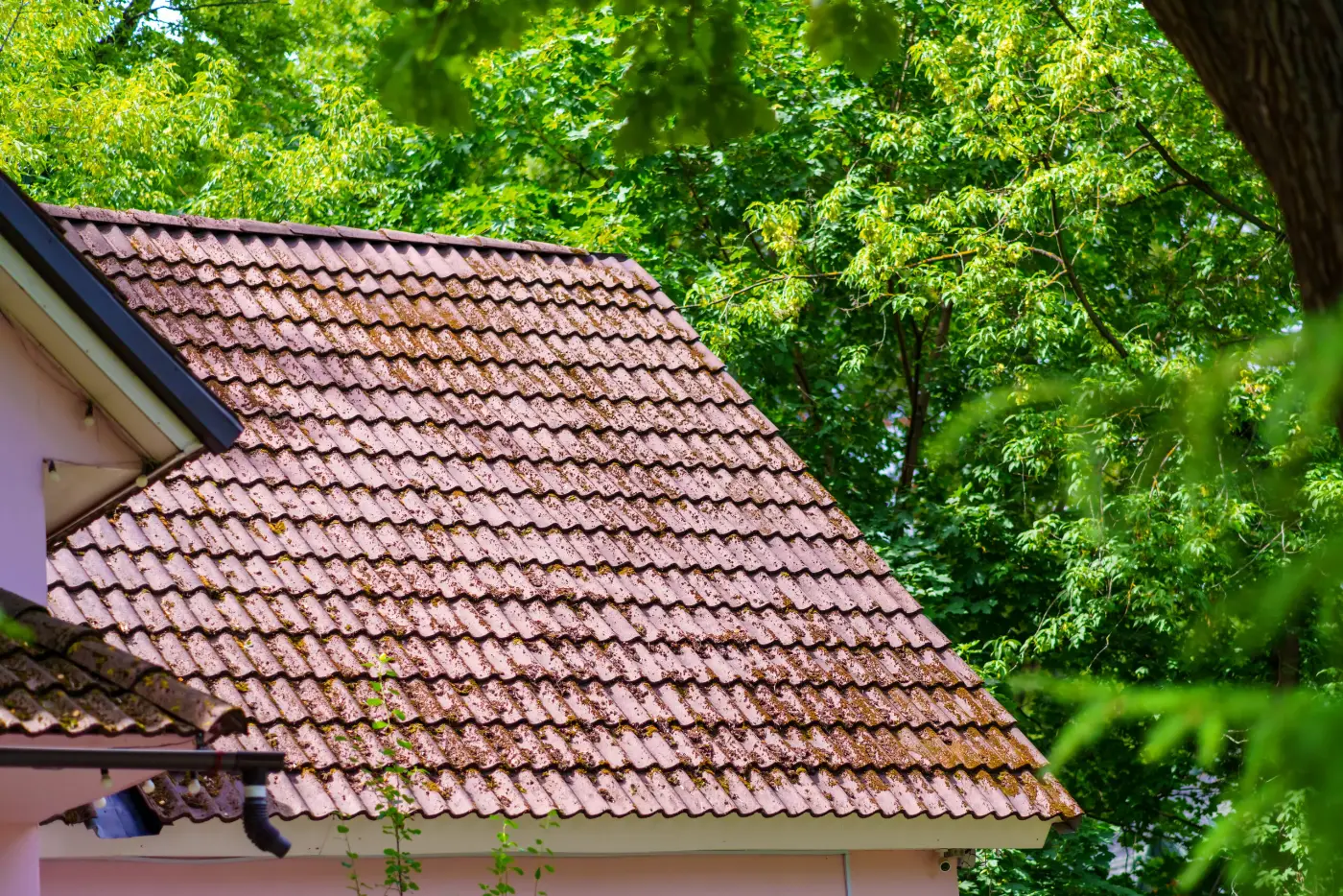
- Shingles curling, cupping, or blistering across a whole slope rather than in one spot. Heat from below is a common cause
- Uneven snow melt in winter. If snow disappears from parts of the roof while the rest stays covered, heat is escaping unevenly underneath
- Ice building along the roof edge while the upper roof is clear
If you are not comfortable getting into your attic, or it is a tight or awkward space, skip it. It is one of the first places a roofer will look anyway.
What poor ventilation costs you
Shingle life. Asphalt shingles are damaged by heat from underneath as well as sun from above. An attic that runs consistently hot cooks the deck and shortens shingle life, sometimes by years. It rarely announces itself. The roof just fails earlier than the warranty suggested it would.
Wet insulation. Insulation that absorbs moisture compresses and loses much of its effectiveness, and it does not always dry out. That makes the house harder to heat, which pushes more heat into the attic, which makes the next round of condensation worse. The problem feeds itself.
Wood rot and mold. Sustained moisture on framing and sheathing eventually causes structural problems, and those are expensive because they are only reachable by opening the roof.
Ice at the roof edge in winter. Heat escaping into the attic warms the roof deck and melts snow sitting on it. That meltwater runs down to the eaves, which are colder because there is no heated space beneath the overhang, and refreezes there. Water backs up behind the ice and can work its way under the shingles. It gets blamed on gutters constantly, but the driver is the attic.
Warranty problems. Shingle manufacturers provide ventilation requirements, which is another reason proper attic ventilation should be considered as part of the roofing system.
How it gets fixed
The right fix depends on which part is failing. If the soffit vents are blocked, clearing them and installing baffles to hold insulation back off the roof deck restores the intake path, and that is often the cheapest meaningful improvement available. If there is not enough exhaust, adding ridge venting is the usual answer, and where competing vent types are working against each other the fix is normally to consolidate rather than add more. If moisture is the main problem rather than heat, check whether a bath fan is venting into the attic instead of outside, which is a common find and dumps a remarkable amount of water vapor into the space.
The amount of ventilation an attic needs is calculated from its square footage and governed by code as well as the shingle manufacturer’s requirements. It is worth having someone work it out rather than assuming some vents means enough vents.
The best time to deal with it
If you are replacing your roof, that is the moment. The roof is open, the deck is accessible, ridge venting can be cut in properly, and the intake side can be corrected while everything is exposed. Doing it later means paying to access the same areas twice.
If your roof has years of life left, ventilation can still be improved on its own, and it is usually worth it. Clearing blocked soffits and adding baffles is not a large job, and it protects the roof you already paid for.
Either way, a roofer looking at your house should be checking the attic, not just the roof surface. A lot of what determines how well a roof performs is happening on the underside of it.
FB Roofing & Siding has been working on roofs across Monmouth and Ocean County since 1972. For a free written estimate, call (732) 364-1040.