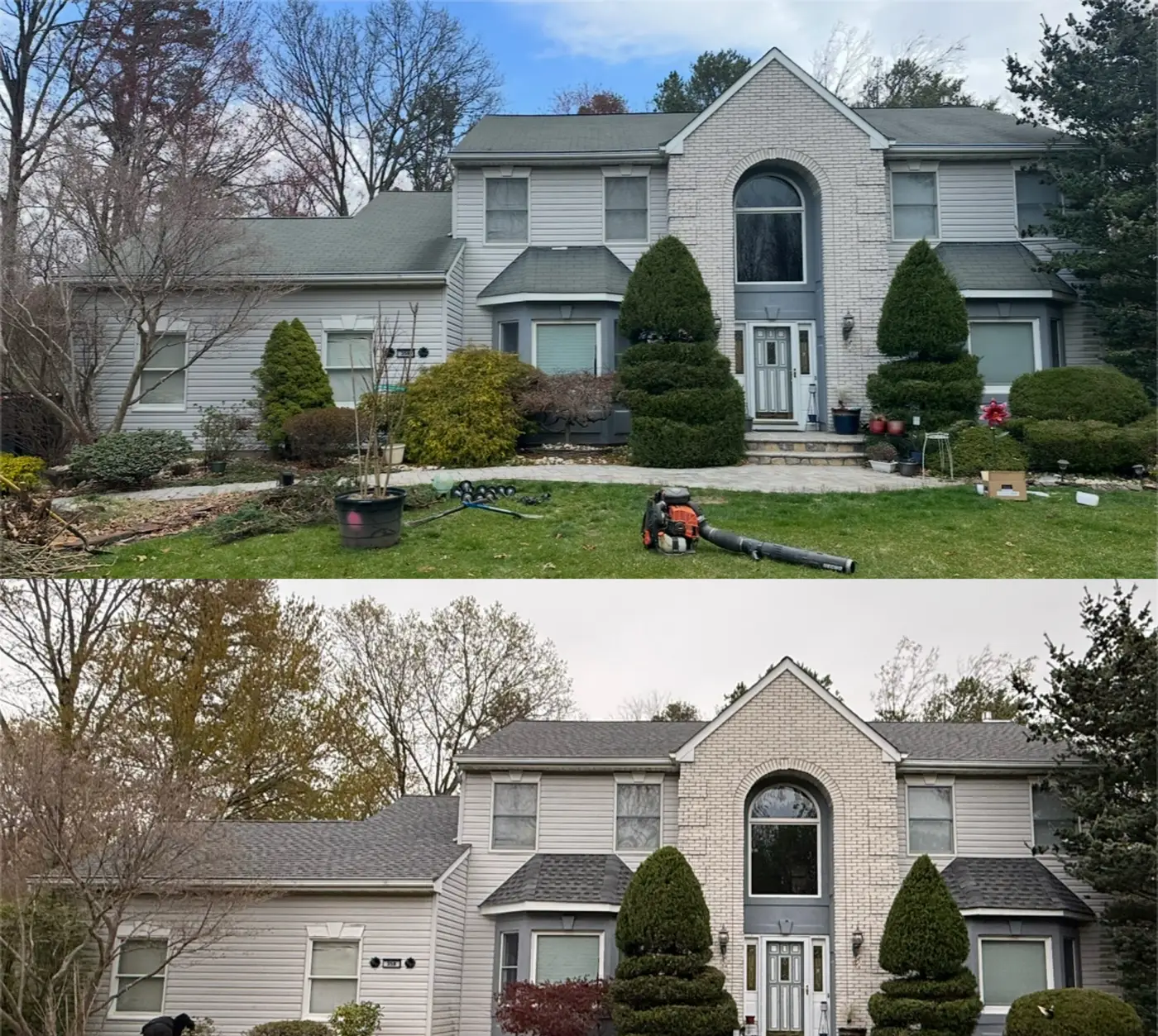

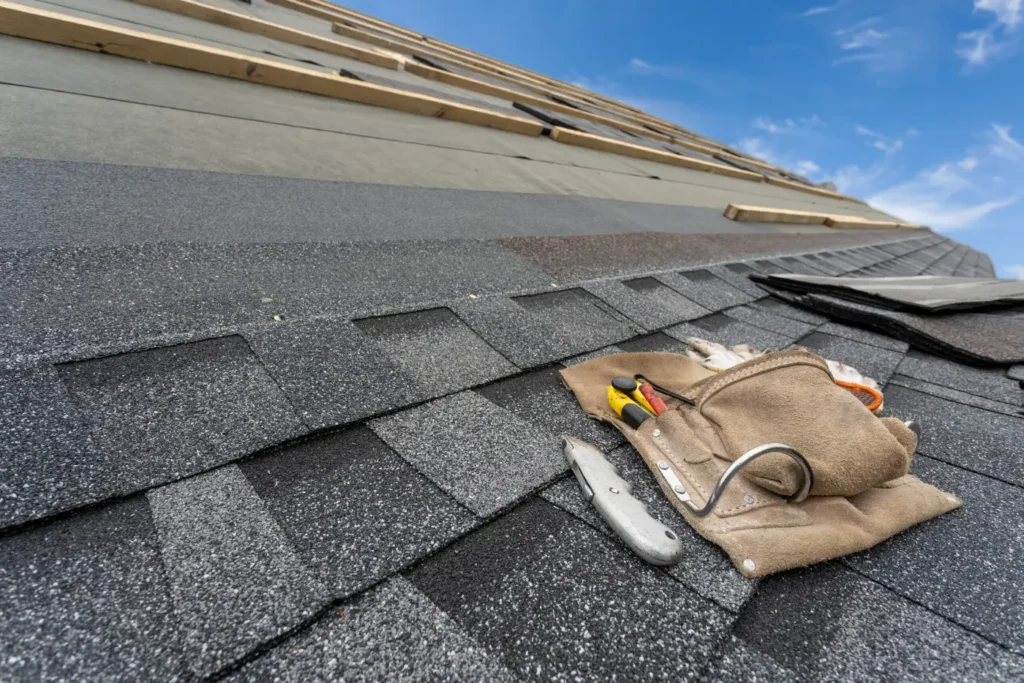
The majority of homeowners feel intimidated by the thought of replacing their roof. Because a complete removal and replacement is a major undertaking, it can feel like a daunting project. Fortunately, it is not something you have to face frequently. When was the last time you had your roof replaced?
Generally speaking, a full replacement is usually not necessary if your roof is still in the first half of its expected lifespan, though durability varies depending on the materials used. In this post, we will compare roof replacement versus roof repair so you can determine which option best fits your home’s needs.
Lifespans of Roofing Materials
The lifespans of various roofing materials are as follows, but there are some other factors as well, such as the state of the underlying material and whether or not there is another layer of shingles beneath the current one:
- The average lifespan of asphalt shingles is 20 years.
- Slate roofing lasts for at least a century.
- The average lifespan of metal roofing is 50 years.
- Wood has a 30-year lifespan.
- Tile roofing lasts for at least a century.
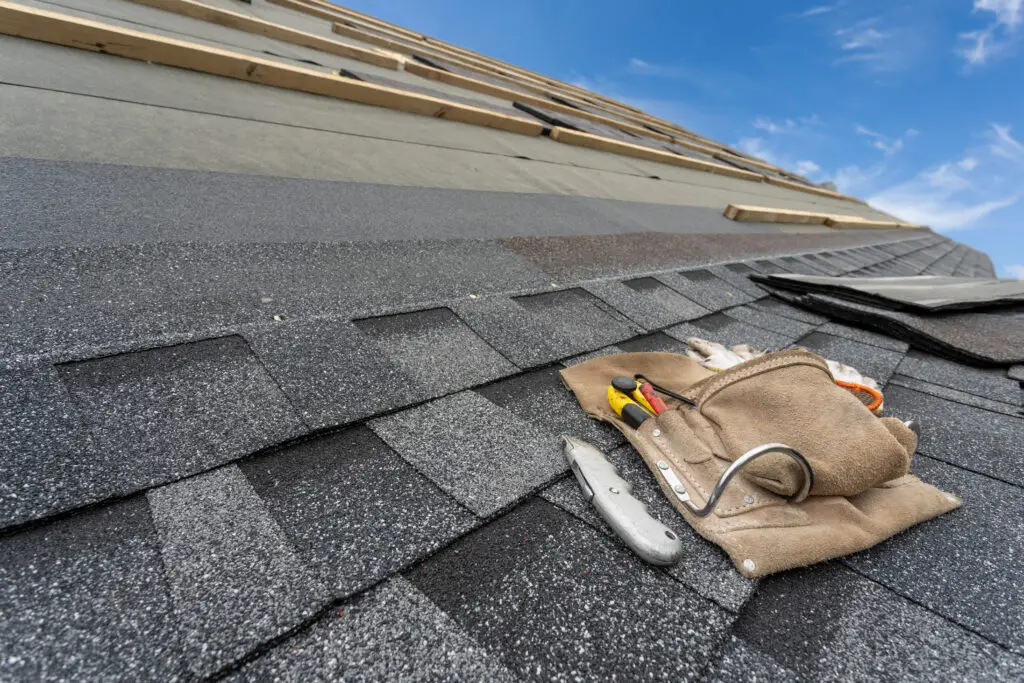
Does Your Roof Need Repair or Replacement?
Repair vs. Replace: When do you need which one?
The Degree of Roof Damage
When it comes to roof replacement vs repair, not all damage is created equal. A key consideration in the repair vs. replacement argument is figuring out if a roof’s aesthetic appeal or its structural integrity has been compromised. Some problems are just aesthetic, but others show that there has been a major breach in the barrier between your interior and the New Jersey elements.
Storm History and Insurance
Property owners in New Jersey frequently fail to consider how their insurance policy affects the choice between repair and replacement. In these situations, choosing to pay for a straightforward repair out of pocket is sometimes a lost chance to completely restore the value of your property with no financial impact.
By distinguishing between “wear-and-tear” and “storm-related” damage, a qualified roofing contractor can guide you through this.
Plans for a Future House
The scope of roofing services you select is mostly determined by your long-term objectives for the property. A complete roof replacement is a proactive step that provides complete peace of mind and removes the burden of ongoing maintenance if you want to remain in your existing residence for the next twenty years. You won’t have to worry about your roof for the rest of your life if you invest in high-quality materials today.
We Can Help You with All of Your Roofing Needs
ROI for Labor and Materials
The ROI must be considered when comparing the expenses of a roof restoration vs a replacement. Although repairs are less expensive initially, they only preserve the status quo rather than increasing the property’s total market worth. The “clock” on the roof’s remaining lifetime is still running, even when you are paying for work to address a particular issue.
What Actions Are Required?
In order to assist you in deciding what degree of effort is necessary to restore your roof to its normal state, we have included some items to check for below.
Your best bet would be to get your roof repaired if any of the following conditions are met. Of course, only minor problems require a repair. In these situations, only one particular location has to be fixed.
Here are a few instances:
- If you notice water stains forming on your ceiling. This may happen again, but it would only happen in a few little spots on your ceiling.
- If you have discovered a leak anywhere on your roof. particularly after a lot of rain. This frequently happens along the flashing.
- If a certain region has seen visible damage due to a recent storm or strong winds.
- To be honest, how long do you intend to stay in the house? It can make more sense to concentrate on repair rather than replacement if you don’t intend to stay there for more than a few years and the roof is typically in decent shape.
- As mentioned above, a repair may be a reasonable option if the roof is in quite good condition and replacing it would be costly.
The issues are typically more apparent when replacing the roof is the recommended course of action. In general, compared to the aforementioned circumstances, the roof’s general state is more degraded and/or damaged.
- There may be a more serious issue if the water spots are appearing in three or more separate places on your ceiling.
- If a wider, more extensive region is affected by your leakage.
- If bits of your roofing material are cracking or falling off.
- If your roofing materials or shingles are in a state where they might be destroyed by strong winds. Look for asphalt shingles that won’t lie flat and are curling up on the corners.
- It is logical to proceed with replacement at this time if there is damage, and your homeowner’s insurance will pay for it.
FAQs
How can I determine whether my roof needs to be replaced or repaired?
While extensive wear or structural problems sometimes necessitate complete replacement, minor damage, such as a few missing shingles, typically requires repair.
What is the average lifespan of a roof in New Jersey?
Depending on the weather and upkeep, most asphalt shingle roofs have a lifespan of 20 to 30 years.
What symptoms indicate a roof needs to be replaced?
Major warning indicators include excessive granule loss, drooping regions, frequent leaks, and extensive shingle deterioration.
When is roof repair a better choice?
Small leaks, localized storm damage, and minor flashing problems are the greatest candidates for repairs.
Is replacing a roof more economical in the long run?
Indeed. Over time, replacing a roof might save money if it needs regular repairs or is nearing the end of its useful life.
When is the best time of year to replace a roof?
The most affordable time of year to replace your roof is usually during the winter. Prices tend to become more competitive during this season since fewer replacements are performed. However, inclement weather might prolong the project’s duration and raise the possibility that some of the materials will be harmed.
What is the most costly part of roof replacement?
The roofing material itself is usually the most costly component of any roof replacement. While high-end materials like slate, metal, and clay tiles can quickly raise the cost, asphalt shingles are frequently the most economical.
How long does a roof typically last?
Standard asphalt shingles on a home roof typically last 15 to 30 years, while materials like metal, slate, or tile can last 50 to more than 100 years. The quality of the materials, correct installation, the local climate (heat, snow, wind), and routine maintenance all affect longevity.