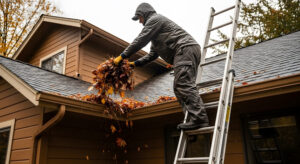
One of the main things that homeowners worry about when considering an outside remodel is the project’s total cost.
Predicting the project’s ultimate cost, however, is more difficult than it first appears. The overall cost of an exterior restoration can vary greatly depending on a number of factors, including the size of the property, labor rates, material costs, and more. One of the most important factors is siding installation.
In this post, we’ll break down labor expenses, estimate the cost of a siding project, and assist you in selecting the appropriate supplies and permits for siding installation in NJ.
Purpose of Home Siding
Your home’s exterior siding is important because it enhances the aesthetics of your house and also increases its resale value, protects it from the weather, and increases energy efficiency.
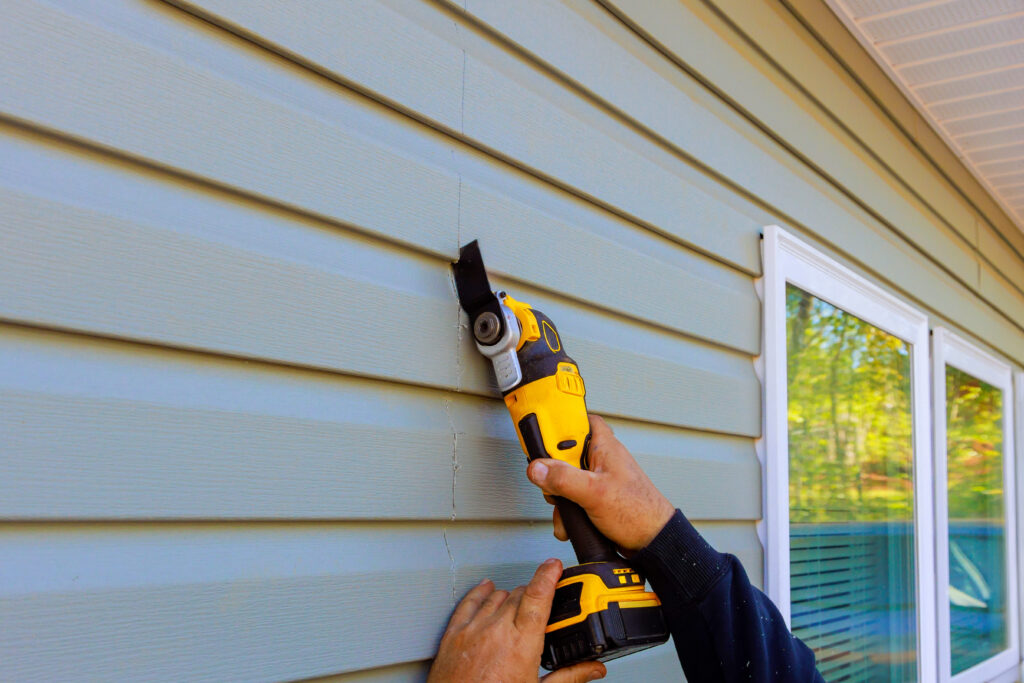
Siding Installation In Howell, NJ
You may choose a siding material and set the foundation for more deliberate expenditure if you know what your project’s objective is.
Types of Common Siding Materials
Each of the five most popular siding materials on the NJ market offers homeowners special advantages:
Vinyl
This is an affordable, low-maintenance solution that adds aesthetic appeal.
Engineered Wood/Composite
For regions with severe weather, engineered wood and composite siding are excellent options since they are both weather-resistant and aesthetically pleasing.
Fiber Cement
Fiber cement siding provides a wood-like appearance with superior long-term performance, fire resistance, and durability.
Wood
Wood siding is a traditional option that is warm and timeless, but it does need maintenance.
Metal (Aluminum and Steel)
This is a long-lasting, dent-resistant solution with a contemporary look.
Additional Siding Installation Costs to Consider
The additional expenses of removing old siding, fixing the underlayment, and making sure there is enough insulation and waterproofing must be taken into account after labor and material costs.
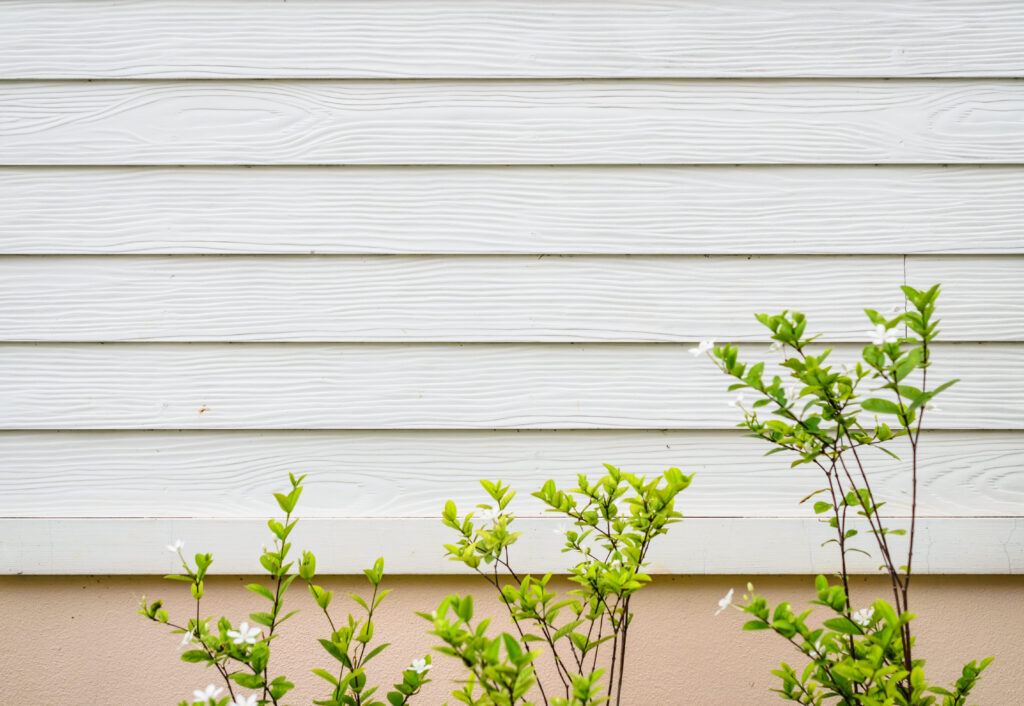
Does Your Siding Need Repair?
Old Siding Removal
Removing old siding adds an extra phase of labor and disposal to the project scope.
Repairs for Walls or Underlayment
The total amount of prep work and restoration varies based on the condition of the structure underneath. Once the old siding is removed, the exterior walls and underlying framework must be inspected for hidden damage.
If the sheathing or moisture barrier needs repair, the overall labor and material scope will expand. Strengthening or completely replacing structural components or underlayment will also add to the project’s timeline and requirements.
Installing new housewrap or fresh underlayment provides essential protection against moisture infiltration, ensuring the long-term integrity of your new siding.
Add-ons for Weatherproofing and Insulation
You may improve your home’s protection and energy efficiency by installing moisture barriers or more stiff foam. Although it costs more up front, this can help you grow your home equity and save money on future repairs and energy expenses.
Tips for Budgeting and Saving on Siding Ideas
Try to gather many bids, pick a reputable contractor, and schedule your job appropriately to make sure you receive the best value.
Seeking Several Quotes
Even though it may seem time-consuming, it is advised to obtain at least three quotes for a project because many homeowners notice significant discrepancies in quotes. Receiving many quotes will allow you to select the best alternative for your budget because quotes differ based on material, brand, style, installation experience, and local labor and material availability costs.
Selecting the Appropriate Contractor
Siding installation is best left to experts for quality and safety, but do-it-yourself removal can save you money. Choose a trustworthy and insured contractor if you want a precise installation that guarantees weather protection and a more energy-efficient house.
When to Complete Your Project to Get a Better Price
Contractors are busy throughout the summer, which frequently results in increased pricing. In off-season times, such as early spring or fall, contractors usually offer lower prices. For the most economical approach, schedule your project to coincide with the off-season.