There are times when it may not make sense to protect your house from hurricanes as you head towards winter, but the physics are really no different. Hurricanes leave a house wide open to wind that tries to tear everything apart and water that leaks into every tiny crevice. A nasty winter storm in New Jersey does the exact same thing.
The wind is just as threatening, and the water is there too, in the form of melted ice and blown rain. By applying key principles, you can build a house that will weather the storm, warm you up, and pay for itself when wild windy weather strikes. This article explains how you can hurricane-proof your NJ roof and siding before you head to winter.
The Roof
Start at the Top
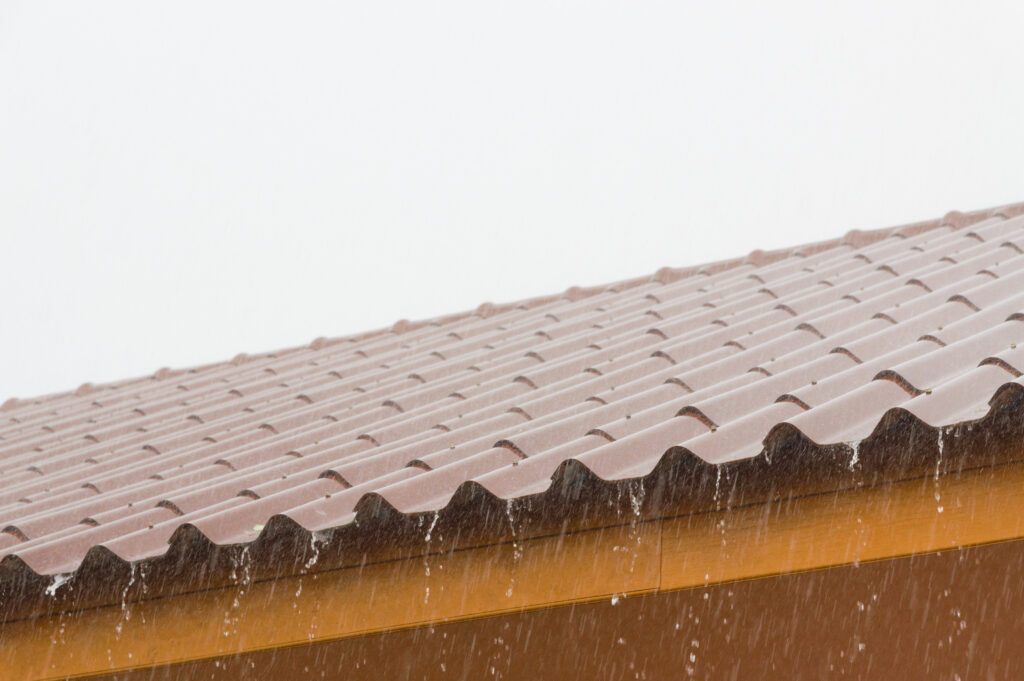
Is Your Roof Ready For Hurricane Season?
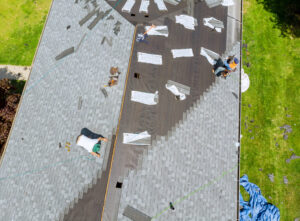
The main idea is to keep the wind from traveling through the roofing material. Therefore, asphalt shingles need to be sealed very well. Roofers in windy areas use six nails on each shingle rather than four, which provides a much tighter hold. They are exposed to the worst weather, especially when old, curled, or missing.
Most importantly, the problem starts from the shingles because underneath them is the roof deck, or sheathing. This is the wood surface that everything is nailed to. In a hurricane or nor’easter, the actual danger isn’t the shingles being torn off, but the wind pressure causing the entire deck to peel off. Ensuring this deck is securely nailed to the frame of your home with additional nails or proprietary screws is essential. This is a behind-the-scenes improvement that provides incredible strength.
Seal the Weak Points
Wind-driven rain and snow can enter your home from any vulnerable opening. They get in around the little, most commonly ignored spots such as the flashing. This is the metal used for caulking joints at chimneys, roof slopes, and where the wall intersects the roof. Rotten or inferior flashing is a common source of leaks in most homes.
As a homeowner, it is also important to be aware of roof vents as they are another area of weakness. Add wind-proof vents that will prevent air and water from being pushed back into your attic. Seal these openings up with an industry-top roofing cement to make a huge difference.
Remember the Gutters
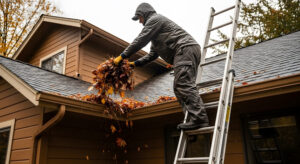
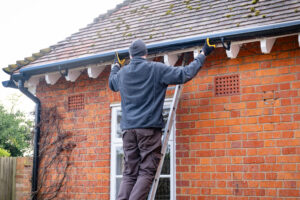
Although they may seem insignificant, gutters are a critical feature of your home in the winter. The main reason behind this is that the snow melt-offs and refreezing near the roof edge can be disastrous if your gutters are filled with debris. Water can find its way back into your home as ice melts because there is enough pressure to force through shingles. Gutter installation and maintenance allow water and snow to slide off your roof and home’s foundation safely.
The Siding
The Right Materials for the Job
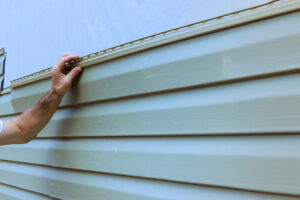
There are different siding materials that are naturally tougher than others. While vinyl is by far the most popular, it will be brittle when it gets cold and break apart from impact with wind-borne debris. Fiber cement siding is significantly tougher because it resists wind, water, and impact much better. It won’t warp or rot, so it’s an excellent choice in the long term for the New Jersey climate.
Pay Extra Attention to The Seams and The Wrap
The most important part of your siding isn’t the panels you see, but what is underneath. Behind your house, where the siding is installed, there is a special material called a house-wrap. This wrap is a terminal barrier of air and water leak protection. If this wrap is compromised, installed incorrectly, or left out, your home becomes vulnerable to damage.
The quality of the installation determines the quality of even perfect siding. For siding to withstand wind uplift, it must be precisely fastened. Seams and corners must also be caulked and capped with care. Windows and doors are the bane of cold air and water infiltration. Sealing these transitions up tightly with good caulk is a simple but important step.
Layering protection is the key to preparing your house for a New Jersey winter. You can build a safe and efficient home by making your house secure against the harsh weather of a hurricane. It needs keen observation, quality materials, and professional hands to accomplish it. A professional inspection can identify the precise weaknesses of your individual house. For more than a decade, we have been assisting New Jersey residents with exactly that. At FB Roofing and Siding, we’re committed to ensuring your house is prepared for whatever the season has to offer.