The roof plays a crucial role in protecting your New Jersey home from the elements and any form of water intrusion. By doing this, it’s able to ensure the structural integrity and long-term safety of your property. However, it can only provide these benefits if all its components are working properly. One essential part that you shouldn’t overlook is the gutters.
Over time, gutters may become clogged or damaged. Once this happens, rainwater can end up backing up onto the roof. The result of this is extensive deterioration of your roof.
Since you don’t want such issues, it makes sense to be well aware of any shortcomings that can lead to the destruction of your roof. This article looks at exactly that.
Maintain Your Gutters To Protect Your Roof
Clogged Gutters and Downspouts
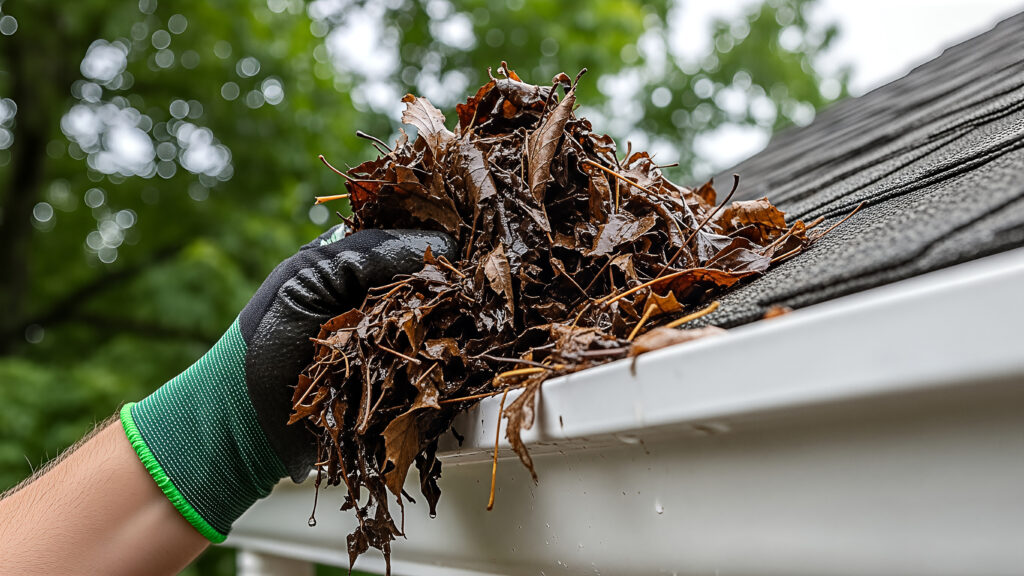
Over time, debris may build up inside gutters and downspouts. If the weather is dry, this might not look like a very big problem. However, when the rains come, the water can no longer flow away as intended.
Instead, water backs up and spills over the edges. When this happens, it ends up soaking fascia boards and seeping into nearby structures.
During heavy New Jersey storms, this overflow can also pool around the foundation or work its way beneath shingles. The result of this is serious moisture-related issues over time.
To avoid such a scenario, consider cleaning your drainage system on a regular basis.
Sagging or Detached Gutters
This is usually a very clear sign that something isn’t working as it should. You may notice that your gutters are pulling away from the fascia or beginning to dip. In such a case, rainwater can’t flow smoothly toward the downspouts. Instead, it spills over the sides or collects in low spots. The end result here is moisture buildup along the eaves and exterior walls.
Over time, this excess moisture can weaken structural components and promote wood rot. On top of this, it can contribute to leaks.
Some common causes of this problem include loose fasteners and heavy debris buildup. There could also be the issue of added weight from standing water and ice. Therefore, it’s wise to fix such shortcomings to prevent further issues.
Improper Gutter Pitch
When the pitch isn’t set correctly, water fails to move smoothly toward the downspouts. Instead, it pools along the channel. Such an issue adds unnecessary weight and can spill over the edges. This gives water the chance to seep into fascia boards and exterior walls. When this happens, the constant exposure can cause significant deterioration to surrounding structures. During colder days in New Jersey, trapped water may also freeze. This increases strain on the system and nearby structures.
The good thing is that such challenges can be easily fixed. All you have to do is ensure proper angle. You should also do regular adjustments to prevent these issues.
Cracked, Rusted, or Leaking Gutters
These shortcomings can cause serious water flow challenges if left unchecked. Water can easily escape through these weak spots. Once this happens, it can end up pooling around your property’s foundation and seep into walls. It can also erode your landscaping.
In addition to this, you may have to deal with structural damage plus mold growth. These problems can be quite expensive to fix.
To ensure that your gutters are always functioning as they should, consider inspecting them frequently. As you do this, check to see whether there are any cracks or leaks. In case of any issues, have them fixed right away.
Ice Dams and Winter Gutter Blockages
Winter in New Jersey can be quite detrimental to your roof. When melting snow refreezes along the edges of your eaves, it can cause the formation of thick ice buildups. These formations will without doubt prevent proper drainage.
This trapped water may seep into the attic leading to leaks and staining. The presence of frozen debris can further worsen the situation. This is because it can create pockets where water accumulates and freezes repeatedly.
It’s hence essential that you do proper maintenance prior to the start of winter. Taking this action can help prevent icy formations from causing costly repairs.
Gutters play a crucial role in protecting your NJ home’s roof and overall structure. However, this is only possible if they are in great condition. Any issues with your gutters can lead to costly roof damage and water intrusion. The best way to deal with this is to do regular maintenance and schedule professional inspections.